Why Aluminum Foundry Casting Remains a Leading Choice for Lightweight, High-Performance Parts
Aluminum foundry casting has developed itself as a leading method for producing light-weight, high-performance elements. Its impressive strength-to-weight proportion, coupled with outstanding rust resistance, makes it a desirable choice across different markets. The convenience in layout and production procedures boosts its appeal. As producers seek lasting and cost-efficient remedies, aluminum casting remains to adjust. This questions about its future duty and the arising patterns that might shape its usage in sophisticated applications.

The Strength-to-Weight Advantage of Aluminum
Various materials are made use of in casting procedures, aluminum stands out due to its amazing strength-to-weight ratio. This residential or commercial property makes aluminum an optimal choice for sectors that prioritize performance and performance, such as aerospace and auto. The lightweight nature of aluminum permits decreased gas intake and increased payload capacity, essential in affordable markets. Furthermore, aluminum's high toughness warranties that parts can endure considerable stress and stress, maintaining structural integrity without adding unneeded weight. This mix of stamina and lightness allows engineers to create cutting-edge items that enhance performance while decreasing energy use. In addition, the adaptability of aluminum enables complicated forms and designs, broadening its applications across different fields. As manufacturers continue to look for materials that add to sustainability and effectiveness, aluminum's strength-to-weight benefit remains an essential consider its long-lasting popularity in foundry casting.
Remarkable Deterioration Resistance and Toughness
Rust resistance is among aluminum's most considerable characteristics, making it a superb choice for foundry casting applications. Aluminum's all-natural oxide layer offers a protective obstacle that avoids deterioration from ecological elements such as moisture, salt, and various chemicals. This fundamental residential or commercial property allows aluminum components to keep their structural stability and appearance gradually, even in extreme problems.
Additionally, aluminum's longevity prolongs its life expectancy, reducing the need for constant replacements and maintenance. This particular is especially useful in sectors such as auto and aerospace, where parts are revealed to extreme atmospheres. The lightweight nature of aluminum, integrated with its corrosion resistance, guarantees that elements can perform reliably without including unneeded weight.
Convenience in Layout and Production
As the need for innovative solutions in numerous sectors grows, aluminum foundry casting demonstrates impressive adaptability in design and production. This strategy enables the creation of intricate geometries and complex information that are usually challenging to achieve with various other materials or approaches. Aluminum's lightweight nature combined with its capability to be molded right into numerous shapes makes it ideal for applications ranging from auto components to aerospace structures.
Moreover, aluminum foundry casting supports a vast array of layout modifications, making it possible for manufacturers to tailor items to specific performance needs and aesthetics. The versatility of aluminum alloys better boosts this process, enabling the optimization of mechanical homes based upon the intended application.
This flexibility not just streamlines the design process yet likewise assists in quick prototyping, enabling faster market entry for cutting-edge items. Inevitably, aluminum foundry casting continues to be a preferred option for designers looking for performance without giving up top quality in part design.

Cost-Effectiveness and Performance in Manufacturing
Aluminum foundry casting not only provides design flexibility but additionally supplies considerable cost-effectiveness and effectiveness in production. This technique permits for the development of complex forms with very little material waste, reducing total expenses. The reduced melting point of aluminum requires less energy compared to various other steels, adding to lower operational expenditures. Additionally, the fast production cycles connected with aluminum casting facilitate quicker turn-around times, allowing producers to satisfy market demands successfully.
Furthermore, the ability to generate big quantities in a solitary run decreases labor prices and improves productivity. The usage of sophisticated casting technologies, such as sand casting and pass away casting, improves the manufacturing process, ensuring regular top quality and efficiency (Aluminum Casting Company). On the whole, these elements make aluminum foundry casting a monetarily viable option for companies looking for light-weight, high-performance parts while optimizing their production effectiveness
Environmental Advantages of Aluminum Casting
Aluminum casting offers considerable environmental advantages, primarily as a result of the product's high recyclability. This process normally requires less power compared to other metals, adding to a lower general power consumption. Furthermore, making use of aluminum can cause a reduced carbon footprint, making it an extra sustainable option in production.
Recyclability of Aluminum
While the manufacturing of aluminum involves significant power intake, its amazing recyclability uses substantial ecological advantages. Aluminum can be reused indefinitely without losing its residential properties, making it a lasting choice for various applications. The recycling procedure needs just a portion of the power required for main production, thus decreasing overall carbon emissions and conserving natural resources. This ability to recycle and recover aluminum not only reduces waste in garbage dumps however also supports a round economic situation. Furthermore, the prevalent schedule of established recycling programs and facilities assists in the reliable healing of aluminum scrap. The recyclability of aluminum adds significantly to ecological sustainability, straightening with the growing demand for green production procedures in the foundry market.
Reduced Energy Consumption
The low energy consumption linked with aluminum casting provides considerable environmental benefits, additionally improving the metal's sustainability account. Unlike other metal casting procedures, aluminum casting calls for less energy throughout its lifecycle. The melting factor of aluminum is fairly low, which means that much less fuel is required for home heating compared to heavier steels. Furthermore, aluminum's outstanding thermal conductivity enables reliable warm transfer during casting, lowering power loss. This efficiency converts right into lower functional expenses and a lessened environmental influence. Furthermore, the capability to reuse aluminum multiple times without deteriorating its residential or commercial properties adds to overall power financial savings. By choosing aluminum casting, markets can take on a more lasting strategy, balancing performance needs with eco-friendly duty.
Decreased Carbon Impact
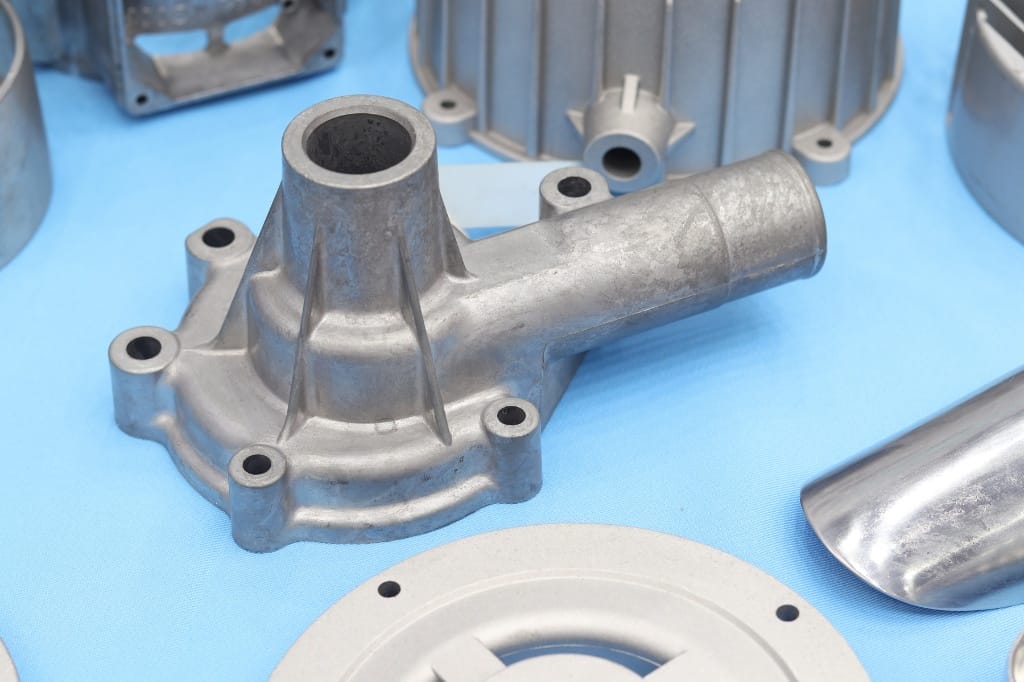
Applications Throughout Numerous Industries
Aluminum foundry casting offers a necessary function throughout many sectors, showcasing its adaptability and adaptability. In the vehicle field, it is used for making lightweight components, enhancing gas performance and performance. Aerospace applications profit from aluminum castings because of their high strength-to-weight proportion, which adds to boosted airplane performance.
In the electronics market, aluminum spreadings are utilized for real estate and warm sinks, supplying superb thermal conductivity and security for delicate components. Aluminum Foundry. The building industry makes use of aluminum castings for different structural and building aspects, making sure resilience and visual appeal
In addition, the medical market includes aluminum spreadings for customized tools, where accuracy and reliability are extremely important.
Future Trends in Aluminum Foundry Casting
As markets progress, the future of aluminum foundry casting is poised for considerable improvements driven by technological innovations and increasing sustainability demands. One noteworthy trend is the integration of automation and robotics, enhancing accuracy and performance in casting processes. This change not just reduces labor expenses but additionally reduces human error, bring about higher quality results.
In addition, innovations in alloy advancement are anticipated to produce lighter and more powerful materials, further broadening the applications of aluminum spreadings. The adoption of environmentally friendly techniques, such as making use of recycled aluminum and energy-efficient melting more helpful hints strategies, straightens with worldwide sustainability goals, attracting environmentally conscious consumers.
The increase of additive manufacturing innovations is likely to make it possible for more complex geometries and customized styles, increasing style opportunities. Jointly, these patterns show a dynamic future for aluminum foundry casting, positioning it as a crucial part in the production of innovative, lightweight, and high-performance elements throughout different sectors.
Regularly Asked Concerns
How Does Aluminum Casting Contrast to Other Materials in Performance?
Aluminum casting commonly offers premium strength-to-weight proportions, excellent corrosion resistance, and much better thermal conductivity contrasted to several various other products. It enables for complex designs and economical manufacturing, making it a recommended choice in numerous applications.
What Are the Temperature Purviews for Aluminum Cast Parts?
Aluminum cast parts generally withstand temperatures up to 400 ° F (204 ° C) for extended use, although particular alloys might sustain greater temperatures (Aluminum Foundry). Yet range, residential or commercial properties like stamina and ductility might substantially weaken, affecting total performance
Can Aluminum Casting Be Recycled, and Just how?
Aluminum casting can site here be recycled successfully. Scrap aluminum is melted down, detoxified, and changed into new products, considerably decreasing energy consumption and ecological influence compared to key aluminum production, consequently advertising sustainability in making procedures.
What Are the Common Problems in Aluminum Foundry Casting?
Usual issues in aluminum foundry casting consist of porosity, shrinking, misruns, cool shuts, and surface area flaws. These issues can develop from poor pouring methods, improper temperature level control, or contamination throughout the casting procedure, affecting general high quality.
Exactly how Lengthy Does It Generally Require To Create Aluminum Castings?
Generally, creating aluminum castings takes in between a few days to several weeks. Aspects consist of mold and mildew intricacy, production volume, and the specifics of the casting procedure, influencing the overall timeline for conclusion.
As the need for cutting-edge solutions in various markets expands, aluminum foundry casting demonstrates remarkable versatility in design and production. Aluminum foundry casting not only offers layout flexibility however also supplies considerable cost-effectiveness and performance in production. Unlike other steel casting processes, aluminum casting calls for less energy throughout its lifecycle. Aluminum casting is inherently much more sustainable contrasted to various other products due to aluminum's recyclability and reduced exhausts during production. Recycled aluminum needs only 5% of the power required for main aluminum manufacturing, markedly reducing greenhouse gas emissions.